Source Candy Color Polyester Cocktail Dress for Events
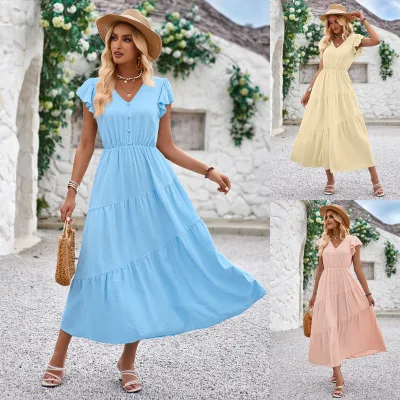
Explore 30 options for the candy color polyester cocktail dress, featuring high-waisted and sleeveless styles. Compare breathable, anti-static fabrics suitable for summer parties and daily wear. Find OEM suppliers offering customized logo printing and abstract or floral patterns for your inventory needs.
Key considerations
Products List







Comprehensive Sourcing Guide
Candy Color Polyester Cocktail Dress Sourcing Guide
Procuring candy color polyester cocktail dresses requires balancing vibrant aesthetic demands with the functional durability expected in B2B fashion supply chains. The observed market data indicates a strong presence of OEM services and customized logo printing, allowing buyers to tailor these garments for specific brand identities or promotional events. While the core material is polyester, some listings also reference cotton blends, necessitating a clear definition of the target fabric composition before initiating supplier negotiations.
Buyers must navigate a diverse range of product models, from CD-04 to S500, each potentially offering different fits and finishes. The observed listings highlight variations in sleeve types, including half-sleeve and sleeveless options, alongside distinct waist shapes like high-waisted designs. This variability means that a single inquiry often yields multiple product configurations, requiring the procurement team to filter results based on precise style requirements such as casual, sexy, or loose fits to ensure alignment with the intended cocktail event aesthetic.
Product Scope and Observed Listing Signals
The current market signals reveal a wide spectrum of product attributes, including abstract, floral, and letter patterns that define the visual identity of these dresses. Seasonal availability is noted for summer and spring/summer periods, suggesting that inventory planning should align with warmer weather cycles to maximize sales potential. The observed price range of 1 to 179 USD reflects significant variation in quality and customization levels, indicating that budget constraints must be weighed against the desired level of detail in the final garment.
Supply chain logistics are a critical component of the observed scope, with packing methods ranging from individual polybags to carton shipments and sea transportation. These logistical details directly impact the final landed cost and the condition of goods upon arrival. Buyers should verify if the supplier offers customizable packing solutions to meet specific retail or distribution requirements, as the standard practices vary significantly between different product models and manufacturers in the region.
Technical Specifications to Verify
Technical verification must begin with the precise definition of fabric composition, as the data shows both polyester and cotton materials listed for similar product categories. Buyers should explicitly confirm the fiber blend ratio to ensure the garment meets the desired breathability and anti-wrinkle performance standards. The presence of features like anti-static properties and dry cleaning compatibility suggests a focus on practical wearability, which must be validated through physical sample testing rather than relying solely on supplier descriptions.
Length and fit specifications vary considerably, with observations ranging from medium to long lengths and specific models like LWST-4-2 or Cotton Dress-020J. It is essential to confirm the exact sleeve length, whether sleeveless or half-sleeve, and the waist type, such as high-waisted or high-waisted, to ensure the silhouette matches the target demographic. The observed suitability for youth and daily occasions indicates a broad market appeal, but specific fit tolerances must be agreed upon to prevent sizing discrepancies in bulk orders.
Compliance and Safety Documentation
While the supplied facts do not list specific certification numbers, the requirement for customized standards implies that compliance documentation is a negotiable and critical part of the procurement process. Buyers should request evidence of adherence to relevant textile safety standards for the destination market, particularly regarding colorfastness and chemical restrictions associated with polyester and cotton blends. The absence of explicit standard names in the listing data necessitates a proactive approach to verifying that the supplier can provide the necessary test reports for the specific product model.
Safety and compliance also extend to the labeling and branding elements, such as the customized logo printing and specific product names like "Women in Dress Tiny." Ensuring that all printed materials and labels meet local regulatory requirements for fiber content and care instructions is vital to avoid customs delays or market rejection. The supplier's ability to provide a customized standard for the product suggests flexibility, but the buyer must define the exact compliance framework required before production begins.
Cost Drivers and Commercial Terms
Commercial terms are heavily influenced by the observed MOQ range, which spans from 1 to 500 units, with some specific listings indicating a much higher threshold of 10,000 units. This disparity highlights the importance of negotiating volume-based pricing tiers, as the cost per unit will likely decrease significantly as order quantities increase. Buyers must clarify whether the lower MOQ options are available for all product models or if they are restricted to specific styles like the S500 or CD-04.
Logistics and packaging costs represent another significant driver of the total landed price, given the varied shipping methods observed, including sea transportation and carton packing. The choice between standard polybag packaging and customizable options will affect both the unit cost and the efficiency of downstream distribution. Additionally, the lead time and production capacity, while not explicitly quantified in the data, should be factored into the commercial agreement to ensure timely delivery for seasonal events.
Supplier Qualification and Quality Control
Supplier qualification should focus on their capacity for OEM services and their track record with customized logo printing and product customization. The presence of multiple product models and styles suggests a versatile manufacturing base, but buyers must verify the supplier's ability to maintain consistency across different batches. Quality control protocols should be established early, specifically addressing the potential for color variation in candy color finishes and the durability of the polyester or cotton blends used.
Inspection procedures must account for the diverse range of features observed, such as breathable, washable, and anti-wrinkle properties. A robust quality control plan should include pre-production sample approval and in-line inspections to catch defects in stitching, pattern alignment, or fabric texture before the final shipment. Given the high volume potential indicated by some MOQs, implementing a third-party inspection service for the final random sampling is a prudent step to mitigate the risk of receiving non-conforming goods.
Long-Term Procurement Checks
Establishing a long-term partnership requires regular audits of the supplier's ability to maintain the specified product attributes, such as the abstract or floral patterns and the specific waist shapes. Consistency in the "High Waist" and "Sleeveless" or "Half-Sleeve" designs is crucial for brand integrity, and buyers should monitor production records to ensure these specifications do not drift over time. The supplier's flexibility in handling customized standards and logos should be tested with smaller repeat orders before committing to large-scale annual contracts.
Supply chain resilience is another key factor for long-term success, particularly given the reliance on sea transportation and the potential for lead time fluctuations. Buyers should develop contingency plans for sourcing alternative suppliers or adjusting order volumes if the primary manufacturer faces capacity constraints. Regular reviews of the supplier's performance against the observed metrics, such as the 1-179 USD price range and the 1-500 MOQ flexibility, will help maintain a competitive and reliable supply chain for candy color polyester cocktail dresses.
FAQs
What materials are used for these dresses?
The dresses are primarily made from polyester and cotton fabrics. These materials offer durability and comfort for daily wear. The selection ensures the garments are suitable for various occasions, including casual outings and parties. Buyers can choose based on preferred fabric properties and seasonal requirements.
Can I customize the logo on the dress?
Yes, customized logo printing is available for these dresses. This OEM service allows buyers to add their branding to the garments. The customization supports brand identity and marketing efforts. Buyers should specify their logo requirements during the ordering process to ensure accurate application on the final product.
What is the minimum order quantity for these items?
The minimum order quantity varies, with observed ranges from 1 to 500 units. Some listings indicate an MOQ of 10,000 for specific bulk orders. Buyers should check individual product listings for exact MOQ requirements. Flexible ordering options are available to accommodate different business sizes and inventory needs.
Are these dresses suitable for summer wear?
Yes, many of these dresses are designed for summer and spring/summer seasons. Features like breathability and dry cleaning compatibility enhance comfort in warm weather. The lightweight fabrics and styles, such as sleeveless or half-sleeve designs, make them ideal for hot conditions. Buyers can select seasonal-appropriate options for their inventory.
What styles and patterns are available?
Available styles include casual, loose, sexy, and luxury designs. Patterns range from abstract and floral to letters and multicolor options. Waist shapes vary, including high-waisted and high-waist cuts. These diverse styles cater to different fashion preferences and occasions, allowing buyers to offer a wide selection to their customers.
How are the dresses packed for shipping?
Packing methods include polybags, OPP bags, and cartons. Each item may be individually packed in a polybag for protection. Bulk shipments are often packed by carton for sea transportation. Customizable packing options are available to meet specific logistics requirements. Buyers should confirm packing details with suppliers to ensure safe delivery.